Someone turned an ordinary computer into a trading desk that barely sleeps. The seats aren’t people — they’re six AI agents with fixed jobs: they hand off intel and debate positions in a group chat the way a real desk would. According to publicly shared figures, they completed 46 trades overnight, with paper gains of about $4,955.
The point of the setup is not “fully automatic order spam.” It splits scouting, narrative, thesis, execution and risk, then leaves an entry gate that only a human can open. Machines watch and prepare through the night; a person reads the thread in the morning and decides. For anyone testing multi-agent trading workflows, it reads more like a reusable desk layout than a black-box bot.
Six Agents, Each Owns a Slice
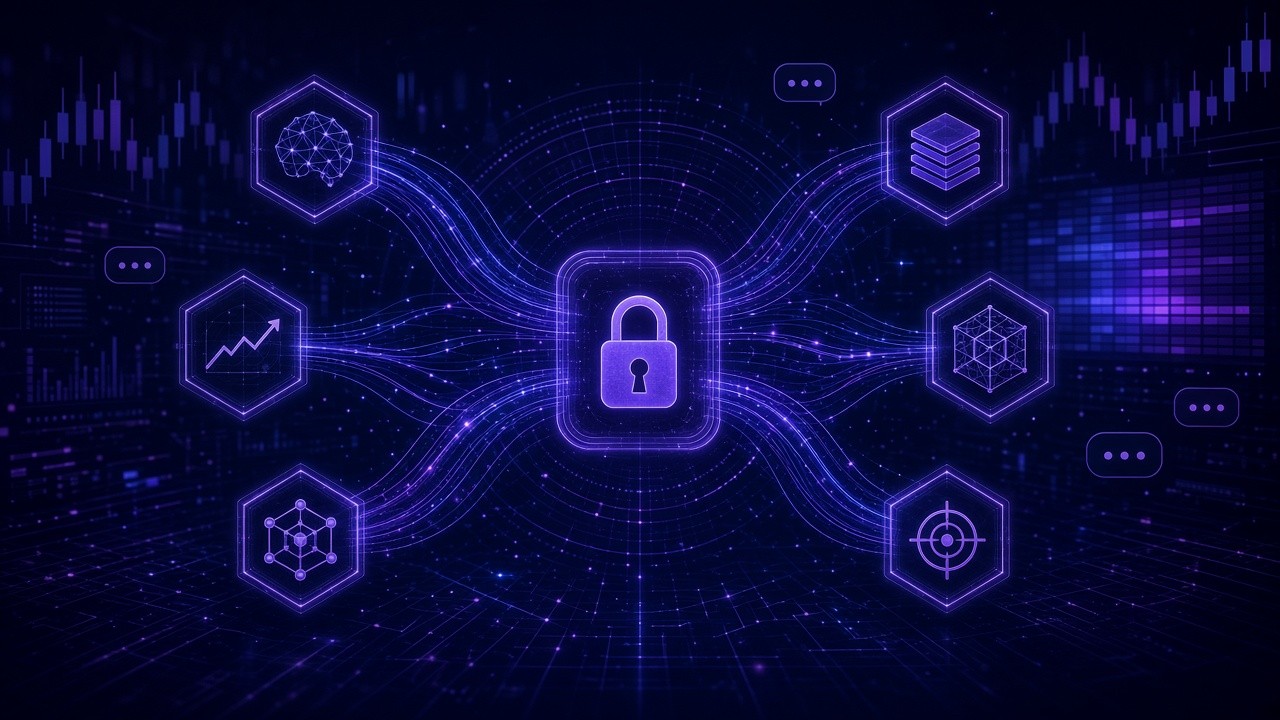
Each agent has a fixed call sign, with roles close to a live trading desk:
- ATLAS watches large-wallet moves and catches on-chain capital flowing in or out.
- VEGA scans social platforms for narrative heat and sentiment spikes.
- ORION synthesizes signals, writes the trade thesis and suggests position size.
- TITAN and LUNA turn intent into orders and execution detail.
- NOVA does the final check: contracts, liquidity, limits and risk bounds.
They relay via Discord-style @ handoffs in a group chat, so work can continue all night without waiting for humans to clock in. Who found the signal, who wrote the thesis, who prepped the ticket, who ran risk — all of it stays in the thread for later review, and it lowers the chance that a single agent talks itself into a trade.
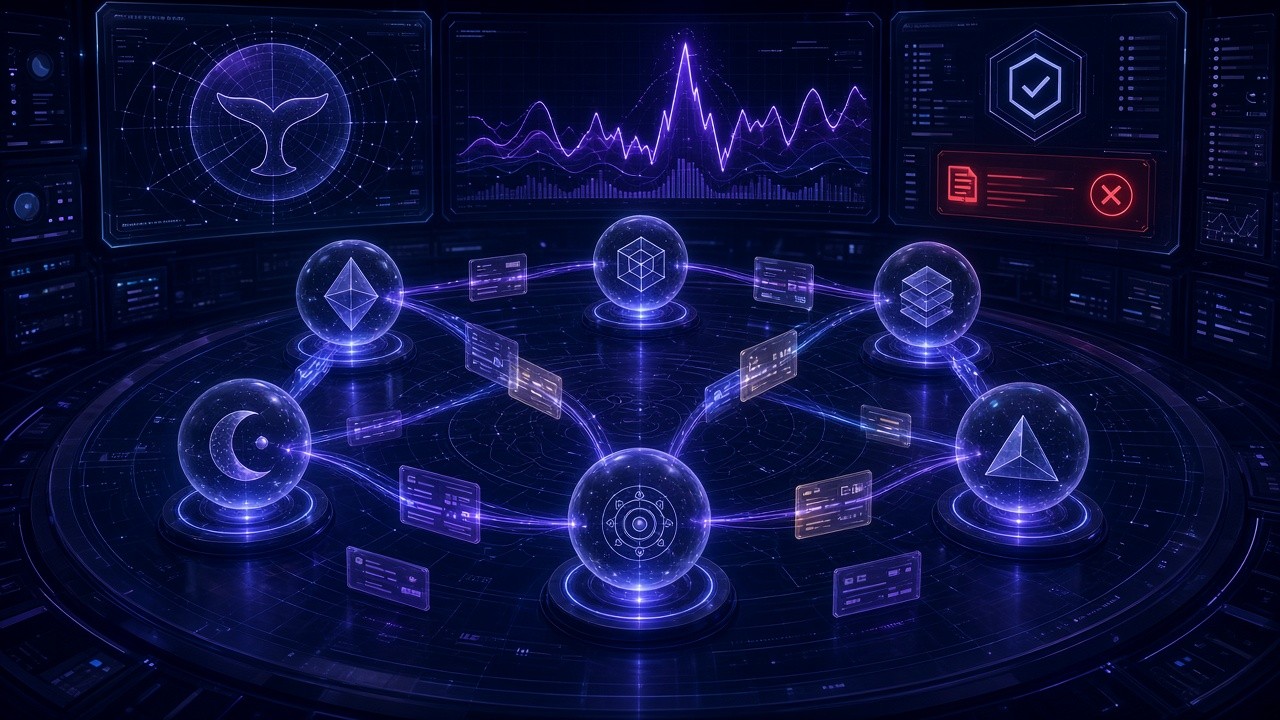
One Morning Relay: From a Large Wallet to a Red Ticket
According to the shared flow, around 7 a.m. ATLAS spotted a large wallet entering $RBNX on Robinhood Chain. Once the signal dropped, ORION laid out a thesis and suggested size; TITAN started building the order; NOVA checked the contract, liquidity and trade limits.
The ticket stays “red” until a human finishes reading the overnight chat and explicitly approves. Scouting can skip sleep; entry cannot. That keeps overnight reaction speed without letting agents open risk unattended. What the human sees is not a bare “buy suggestion,” but a full, traceable chain of argument.
The Human Approval Gate: Exits Can Fire; Entries Need a Signature
The rules are clear: overnight, stop-losses and closes can run automatically so risk doesn’t blow out while no one is watching; new entries still need human approval in the chat. Opening the thread in the morning is like reviewing a full night of desk meeting notes before green-lighting anything.
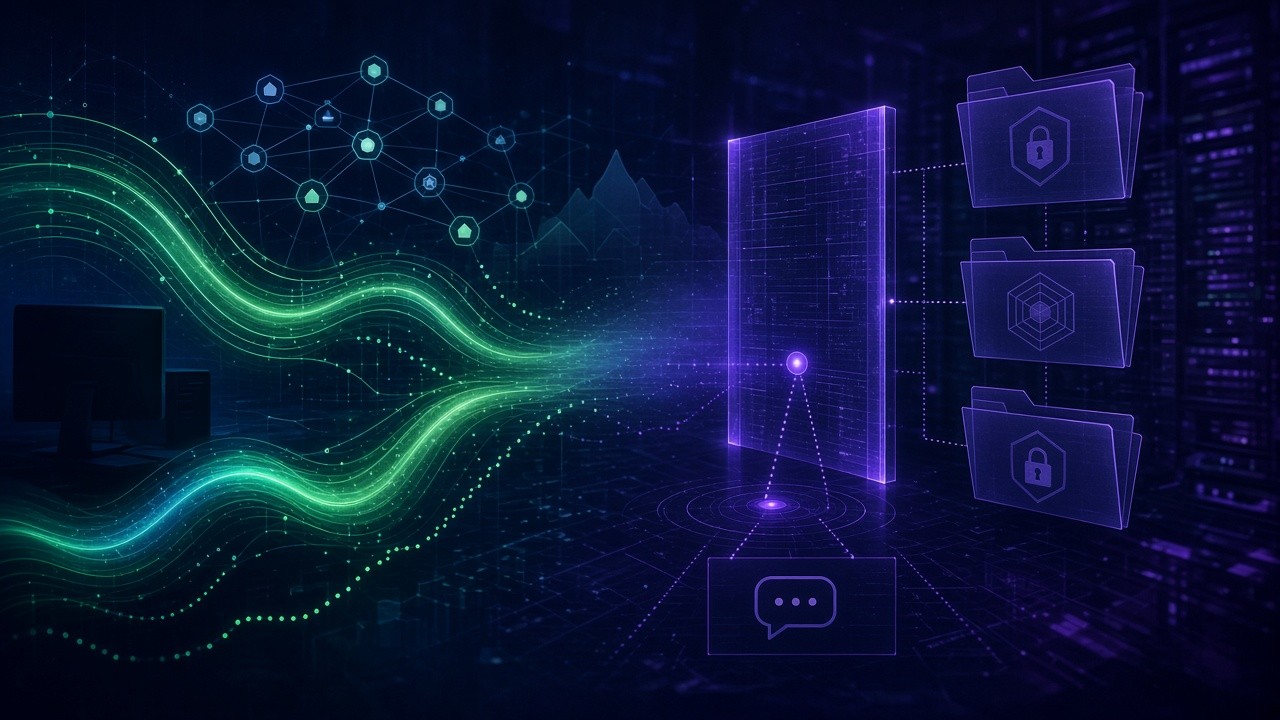
Under the collaboration sits a layered toolchain: Claude Code for thinking and orchestration, Codex for turning steps into execution, Grok Build for monitoring and patrols. The agents run on the local machine, on the open-source base Alook AI — see the repo at GitHub alookai/alook and the site alook.ai. Code and sessions stay on your own hardware, so permission boundaries stay clearer too.
Turning a computer into a “trading desk that doesn’t sleep” is multi-agent division of labor plus a human final call. It cuts the labor cost of staring at screens all night, and it keeps the most critical entry right in human hands. Machines can watch, write theses and prep tickets; whether to put money on the line still needs a person. The paper numbers come from publicly shared figures; results can diverge sharply across markets and parameters, and should not be extrapolated.
This article is for informational purposes only and does not constitute investment advice.