

















Hong Kong vs. Singapore, who can be the future center of Web 3.0 world?
Lorem Ipsum is simply dummy text of the printing

Web3 Startup Environment in Thailand
It was popularised in the 1960s with the release of Letraset sheets
Polymarket 5-Minute Trading Bots: A Seven-Step Breakdown
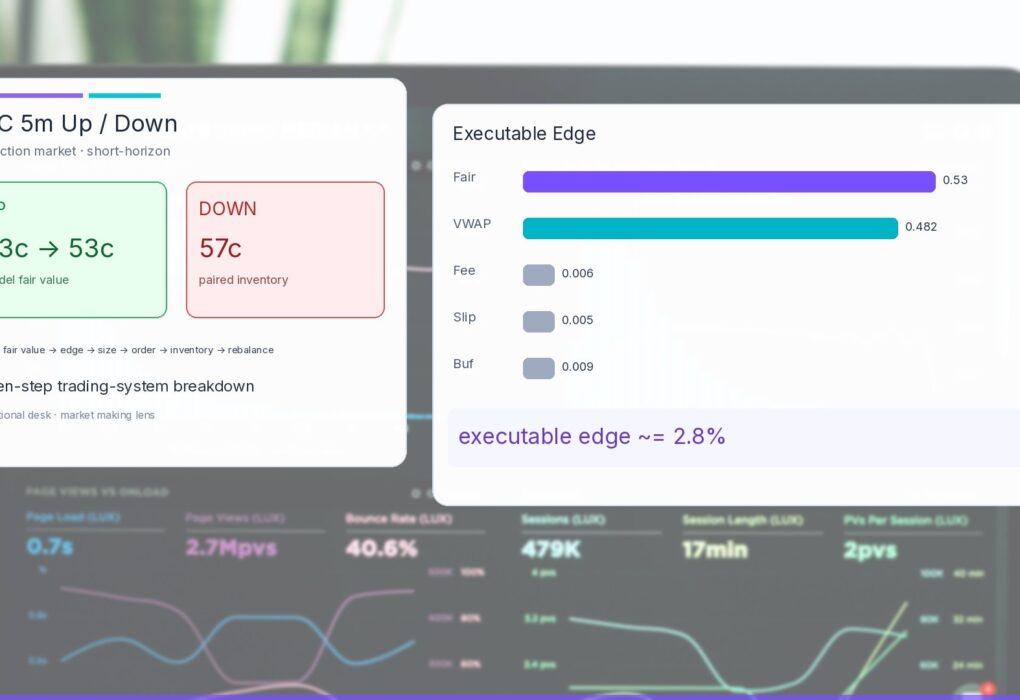
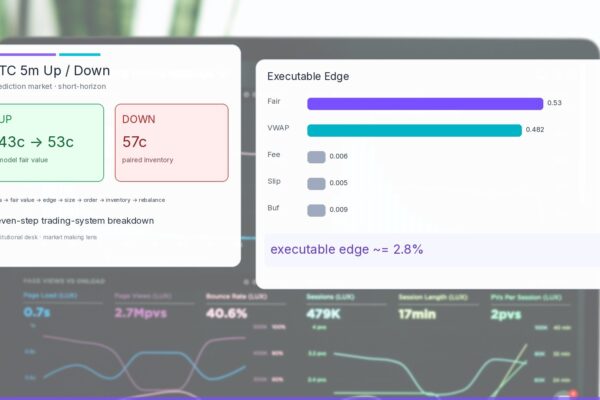
According to public tracking materials, on Polymarket’s BTC five-minute up/down markets the bots that keep making money are often not the ones that guess direction better—they are the ones that keep revaluing fair price, computing executable edge, and reshaping inventory before imbalance blows out. This outlet breaks that short-horizon market-making and pairing stack into seven steps; figures come from public write-ups, past results do not imply future performance, and trading can lose principal.

Web3 Remote Jobs Are Still Here — Just Don’t Trust the “Remote” Label Alone
On public recruiting-side framing, crypto/Web3 fully remote share is often cited around ~70%; but Remote often hides geo-locks. Tooling and async skill matter more than the badge.

ASEAN Digital Nomad Visas Compared: How to Choose in 2026
Thailand’s DTV, Malaysia’s DE Rantau, and Indonesia’s E33G have become the main ASEAN remote-work visa tracks; the Philippines is still often described as “announced but not open,” while Vietnam leans toward talent visas. Soft figures on thresholds, stay length, tax, and cost of living.

Japan vs Korea: Six-Month High Bar vs Three-Year Workcation
Japan’s Designated Activities (digital nomad) track reportedly requires about ¥10 million in annual income, lasts six months max, and cannot be extended; Korea’s F-1-D Workcation reportedly stretches to about three years total, with income tied to a multiple of per-capita GNI.

How to Read Europe’s Digital Nomad Visa Index: A 2026 Country Guide
Europe’s dozen-plus digital-nomad visas differ sharply on thresholds, tax, and paths to permanent residence. On public index scoring, Estonia, Portugal, and Spain rank near the top; Greece’s tax cuts, Croatia’s exemption, and Montenegro’s low bar each trade something off.

How Digital Nomads Get Paid: Cross-Border Banking, Stablecoins, and CARF
Hub-and-spoke banking, multi-currency receipts, the USD payment-stablecoin regulatory frame, and crypto-asset reporting reportedly tightening from 2027 (CARF) form the payment rails for digital migrants.

A Third Path to Stablecoin Yield: Manual HYPE Funding Carry on Hyperliquid
Chasing stablecoin yield does not have to mean hopping subsidies or parking funds in opaque high-APY products. A third path is to run funding-rate carry yourself. This outlet maps a public live-book approach on Hyperliquid—long HYPE spot + short an equal perpetual—plus portfolio-margin notes, risk boundaries, and an MIT-licensed open-source repo.
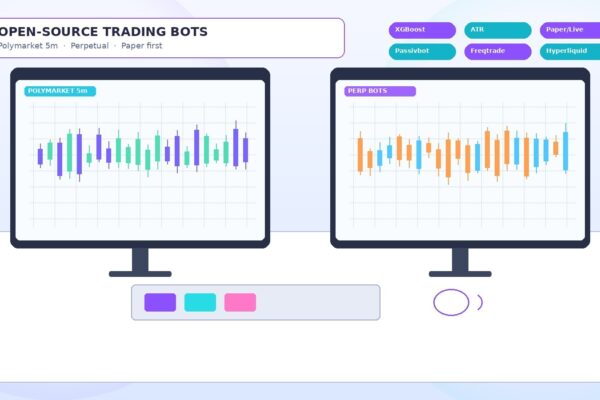
Open-Source Roundup: Polymarket 5-Minute Bots and Perpetual Trading Frameworks
This outlet maps a short list of public open-source projects for short-horizon prediction-market trading and mainstream-coin perpetuals: three Polymarket five-minute Up/Down bots, plus Passivbot and Freqtrade on the perp side. Backtest figures cited here are project-side claims. Paper / dry-run first; trade at your own risk.
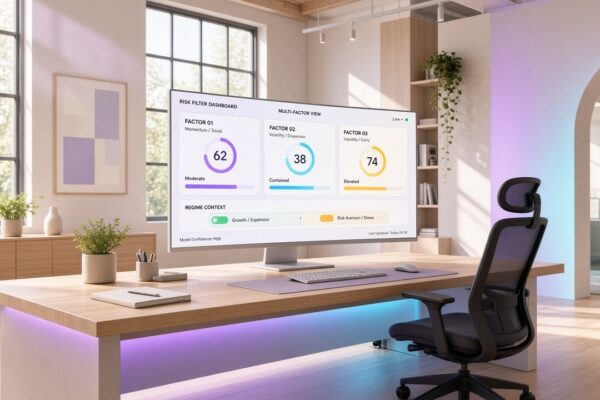
Three-Factor Risk Filter: Cutting Indonesia Equity Drawdown from 41.5% to 8.1% Out of Sample
According to a research report on the Indonesian equity market, a risk-filter model that uses only three momentum signals—banking sector, foreign liquidity, and the commodity cycle—cut buy-and-hold maximum drawdown from 41.5% to 8.1% in out-of-sample backtests, with an out-of-sample Calmar of about 3.53. This outlet maps the IHSG structural rationale, walk-forward calibration, binary risk-off framing, and a 2026 MSCI exploratory case; past results do not imply future performance.

Judy Shelton Joins the U.S. Treasury: What a Sound-Money Advisor Signals
On October 9, Treasury Secretary Scott Bessent hired Judy Shelton as an adviser in the Office of the Secretary to counsel on exchange-rate policy and, in the official phrasing, to focus on assessing China’s financial conditions. This outlet maps her sound-money views, her ties to Trump, Bessent and Kevin Warsh, and several public readings of her Treasury brief.